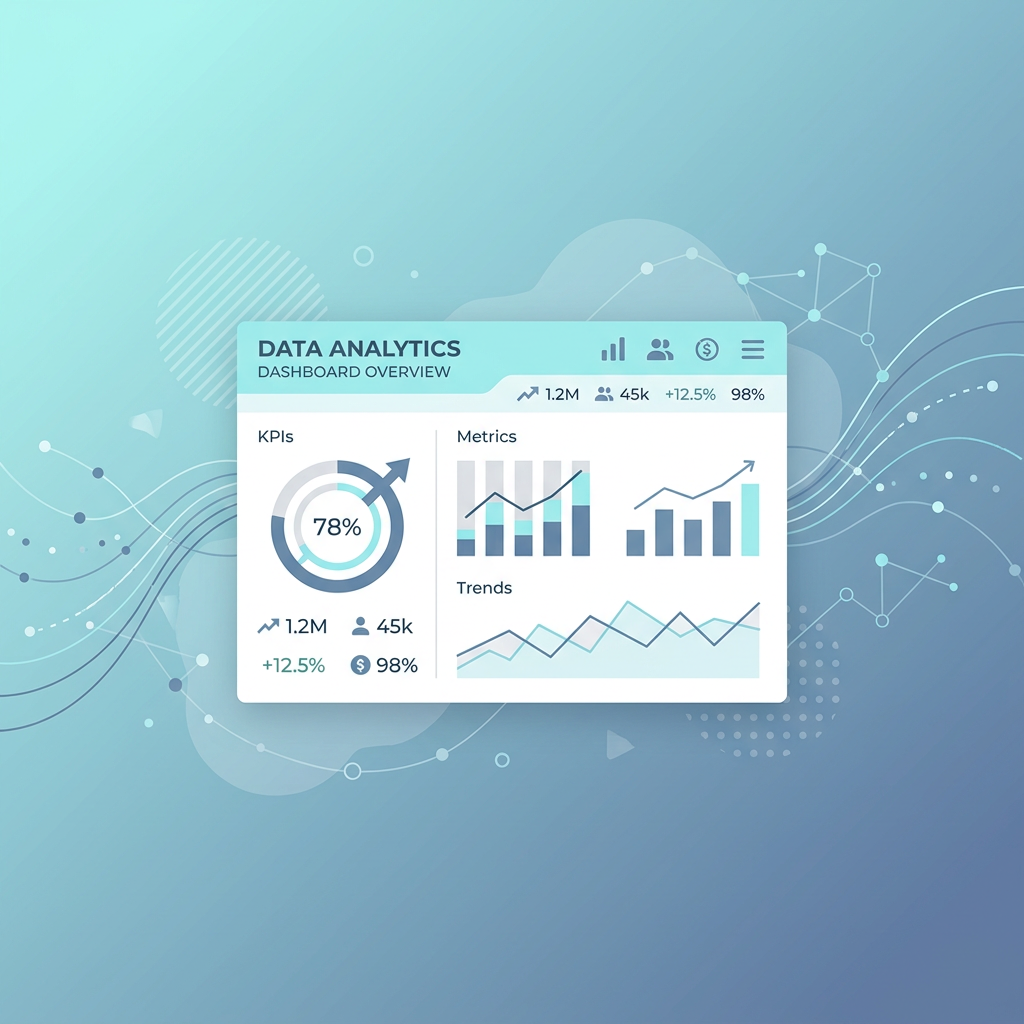
The modern data stack has matured into a powerful set of composable tools. Here's how forward-thinking organizations are structuring their analytics infrastructure for speed, reliability, and insight.
The era of monolithic data warehouses is giving way to composable, cloud-native analytics architectures. The modern data stack isn't a single product — it's a set of best-of-breed tools connected by clear interfaces and governed by a strong data engineering practice.
The Core Components
A modern analytics stack typically includes: a cloud data warehouse (Snowflake, BigQuery, or Databricks), a transformation layer (dbt), an orchestration tool (Airflow or Prefect), and a BI layer (Looker, Metabase, or Superset). Each component is best-in-class and replaceable independently.
Data Mesh Adoption
Larger organizations are moving toward data mesh — a decentralized approach where individual business domains own and publish their data as products. This reduces bottlenecks at central data teams and improves data quality accountability. The organizational change is as significant as the technical one.
Real-Time Analytics
The demand for real-time insights is intensifying. Technologies like Apache Kafka, Flink, and Materialize enable streaming analytics pipelines that deliver insights in seconds rather than hours. BIORBIT's data practice helps clients evaluate when real-time is genuinely necessary versus when batch analytics suffice.
AI-Augmented Analytics
Modern BI platforms are integrating natural language querying and AI-generated insights. Business users can ask questions in plain English and receive chart-backed answers. This democratizes data access while freeing data analysts to focus on more complex problems.