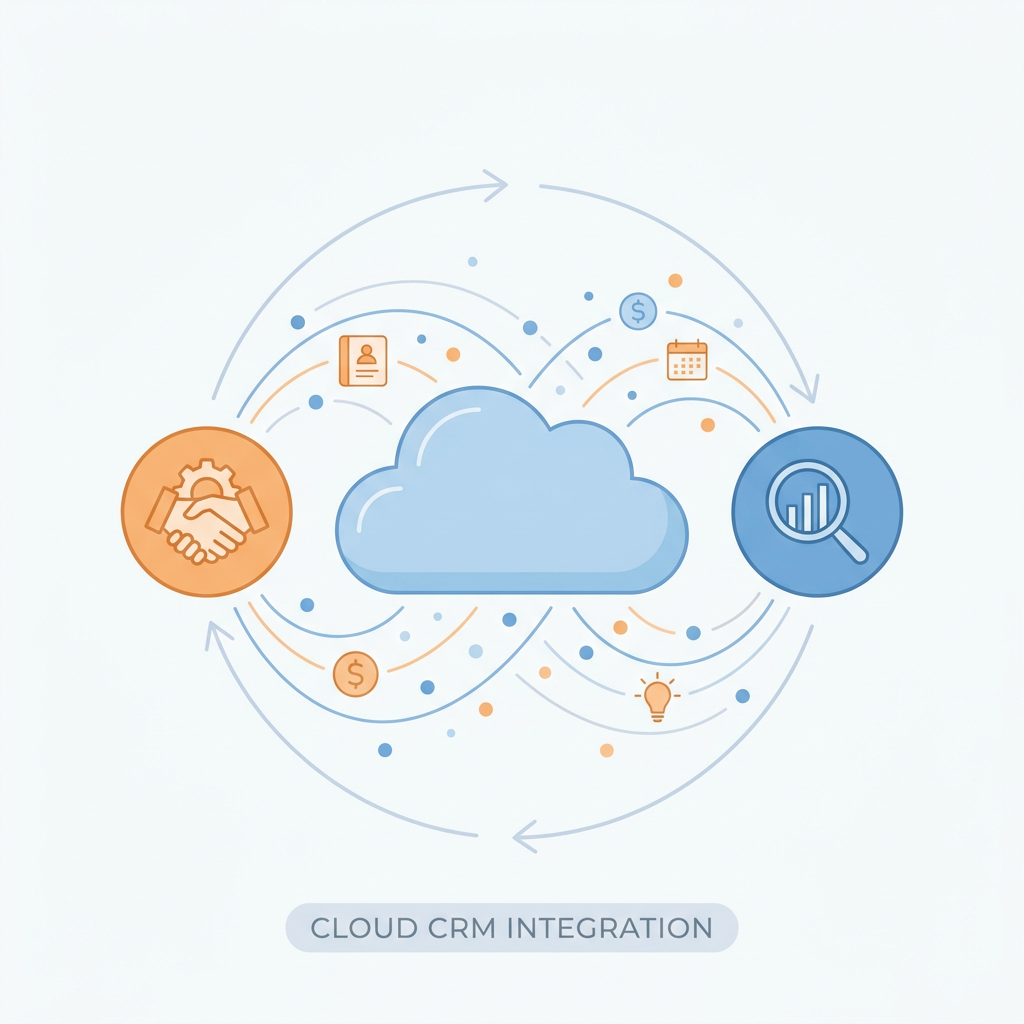
Salesforce Einstein GPT and AgentForce are fundamentally changing how sales, service, and operations teams interact with CRM data. Here's what enterprise teams need to know.
Salesforce has long been the dominant platform for enterprise customer relationship management. With the integration of large language models through Einstein GPT and the launch of AgentForce, the platform is evolving into something far more powerful — an AI-native business operating system.
Einstein GPT: What's Actually Useful
Einstein GPT brings generative AI capabilities directly into the Salesforce workflow. Sales reps can generate personalized email drafts from opportunity data. Service agents receive AI-suggested resolution paths based on case history. Admins can describe business logic in plain English and have it converted to Apex code.
AgentForce and Autonomous Workflows
AgentForce represents Salesforce's bet on agentic AI — AI systems that can take action, not just generate text. Early adopters are using it for autonomous lead qualification, appointment scheduling, and case triage. The implication is significant: routine CRM tasks that once required human attention can now be handled by AI agents operating within defined guardrails.
Integration Considerations
Realizing value from these AI capabilities requires clean, well-structured data. Many enterprises discover that their CRM data quality issues — duplicate records, inconsistent field population, broken integrations — become painfully visible when AI systems try to reason over them. A data quality initiative is often a prerequisite.
BIORBIT's Salesforce Practice
Our Salesforce development team specializes in helping enterprises implement, customize, and optimize Salesforce — including AI-enabled features. From initial implementation to complex Apex development and Einstein configuration, we build solutions that scale.